Maritime Container Design in Quebec: Guide & Regulations
Discover how maritime container design in Quebec intersects with municipal regulations to enable innovative and sustainable projects.
Design of Maritime Containers and Municipal Approval in the Province of Quebec
The use of maritime containers for construction and development purposes is gaining increasing interest in the province of Quebec. Whether for residential, commercial, or industrial projects, these structures offer an innovative, sustainable, and economical solution. However, their implementation requires a thorough understanding of local regulations and municipal approval procedures.
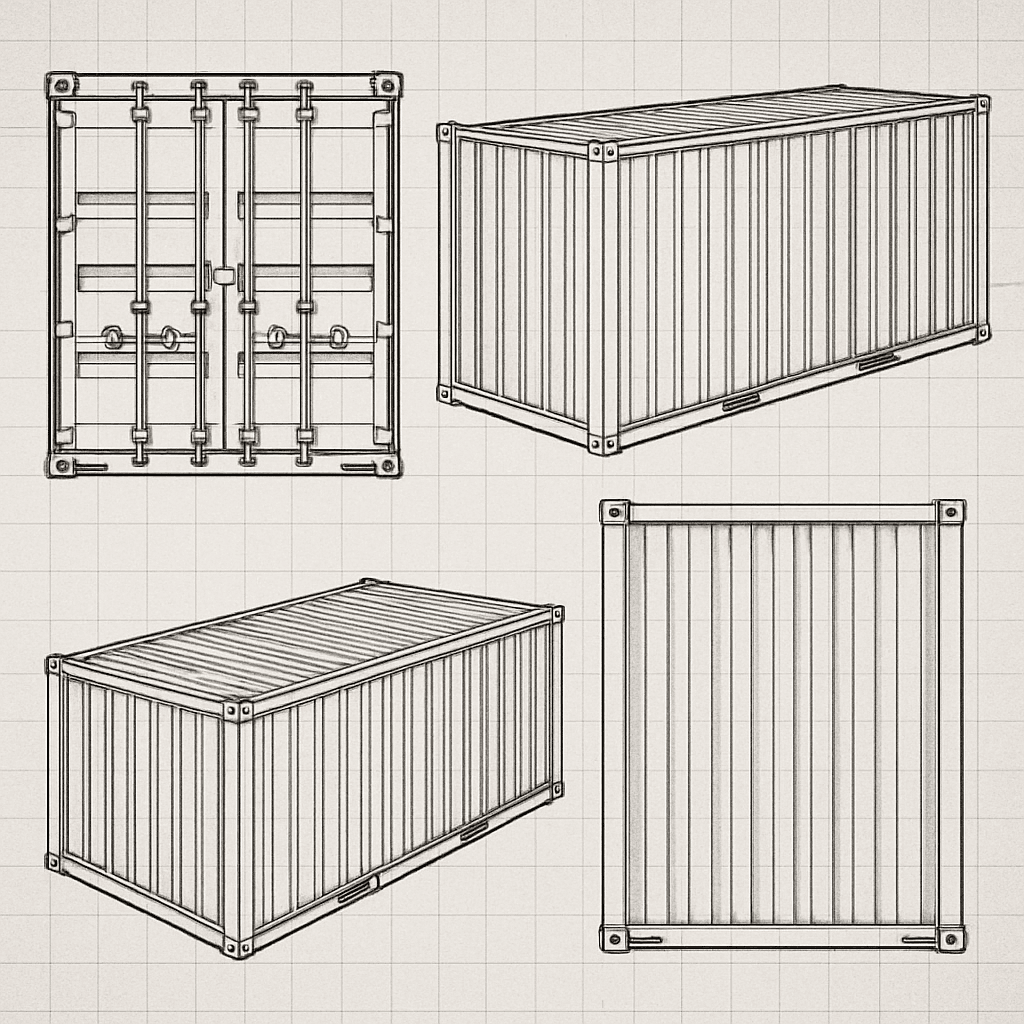
Why Choose a Maritime Container?
Maritime containers offer several advantages. They are recyclable, thus reducing the carbon footprint. Their modularity allows for great flexibility in design and construction. Additionally, they can be transported and installed quickly, reducing construction time and costs.
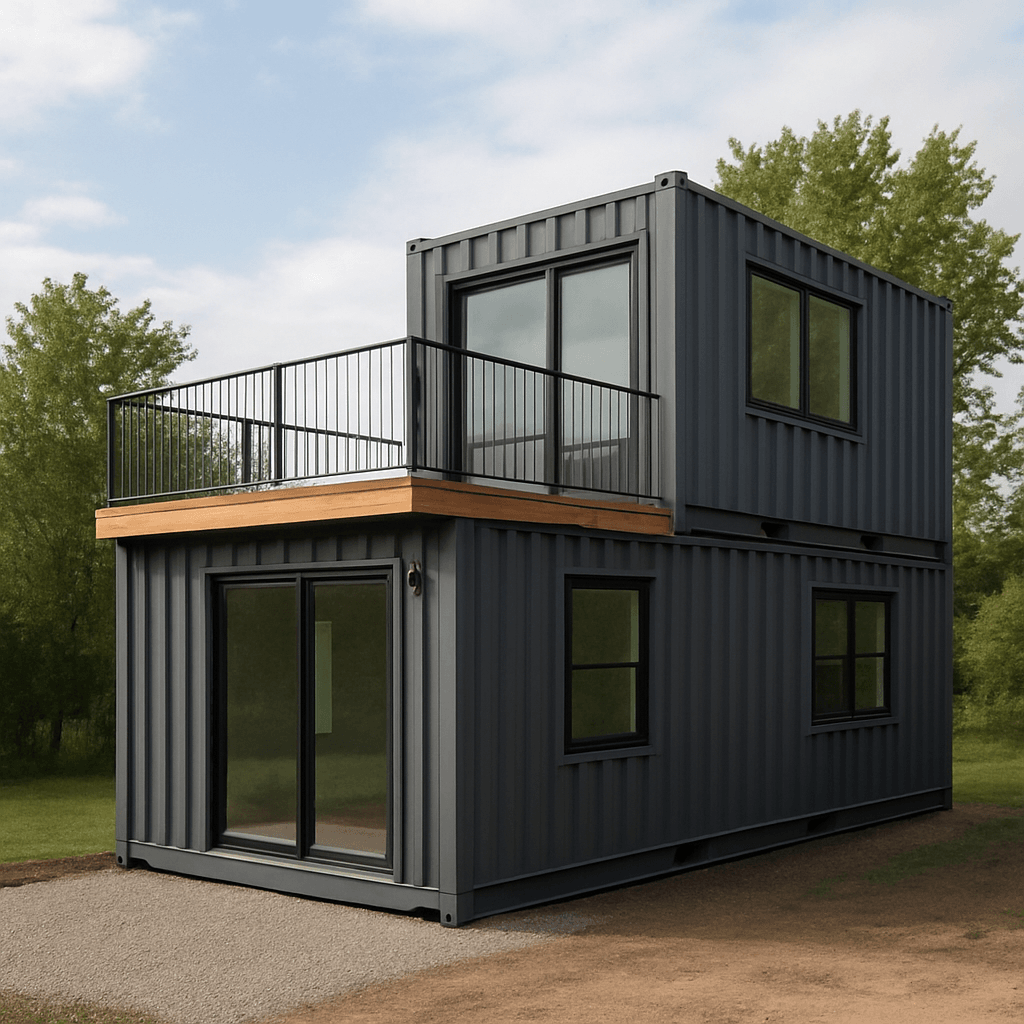
Example of a maritime container house Regulations and Construction Standards
Before starting any construction project with maritime containers in Quebec, it is crucial to familiarize oneself with the local regulations. Each municipality may have specific rules regarding the use of these structures. Therefore, it is essential to consult local building codes and zoning regulations.
Building Codes
Maritime containers must comply with the construction standards applicable to conventional buildings. This includes safety, accessibility, and energy efficiency standards. Modifications made to the containers, such as adding windows and doors, must adhere to structural safety requirements.
Zoning and Land Use
Zoning regulations determine where and how maritime containers can be used. Some residential zones may restrict the use of these structures, while others, like industrial or commercial zones, may be more permissive. It is important to check the specific restrictions for your location.
Municipal Approval Process

Submit a Permit Application
The first step is to submit a building permit application to your municipality. This application must include detailed plans of your project, showing how the container will be modified and used. You will also need to prove that the project complies with building codes and zoning regulations.
Evaluation by the Municipality
Once the application is submitted, the municipality conducts an evaluation. This may include on-site inspections and a review of the plans to ensure compliance. If the project does not meet the standards, modifications may be requested.
Obtain Approval
If your project complies with all regulations, you will receive formal approval in the form of a building permit. This document is essential to commence construction work. Common Challenges and Solutions Although construction with maritime containers offers many advantages, it also presents challenges. Here are some common issues and possible solutions:
Insulation and Ventilation
Maritime containers are made of metal, which can pose issues for thermal insulation and ventilation. Using appropriate insulating materials and installing effective ventilation systems are essential for creating a comfortable space.
Compliance with Codes
Adapting a container to building codes can be complex. Working with an architect or engineer experienced in container constructions can facilitate the process and ensure compliance.
Community Acceptance
Sometimes, the use of maritime containers may encounter resistance from the local community. Presenting well-designed projects and demonstrating ecological and economic benefits can help gain support.
Conclusion
The design and use of maritime containers in the province of Quebec offer a unique opportunity to create sustainable and economical living and working spaces. However, to succeed, it is crucial to understand and respect local regulations and follow the municipal approval process. With careful planning and attention to detail, maritime containers can become a viable and innovative construction solution. By keeping in mind the regulations and working closely with local authorities, you can turn your vision into reality. Maritime containers are not just a passing trend; they represent the future of sustainable and creative construction in Quebec.