The Most Beautiful Trends in Maritime Container Design for 2025
Discover the 2025 trends in shipping container design: bold colors, eco-friendly materials, multifunctional spaces, and technological innovations.
The Most Beautiful Trends in Maritime Container Design for 2025
Maritime containers have long been primarily used for transporting goods across the globe. However, in recent years, their use has extended beyond mere logistics to become an integral part of modern design and innovative architecture. In 2025, we will witness fascinating trends in maritime container design that blend aesthetics with functionality. This article presents the most beautiful trends that will mark the year 2025 in maritime container design.
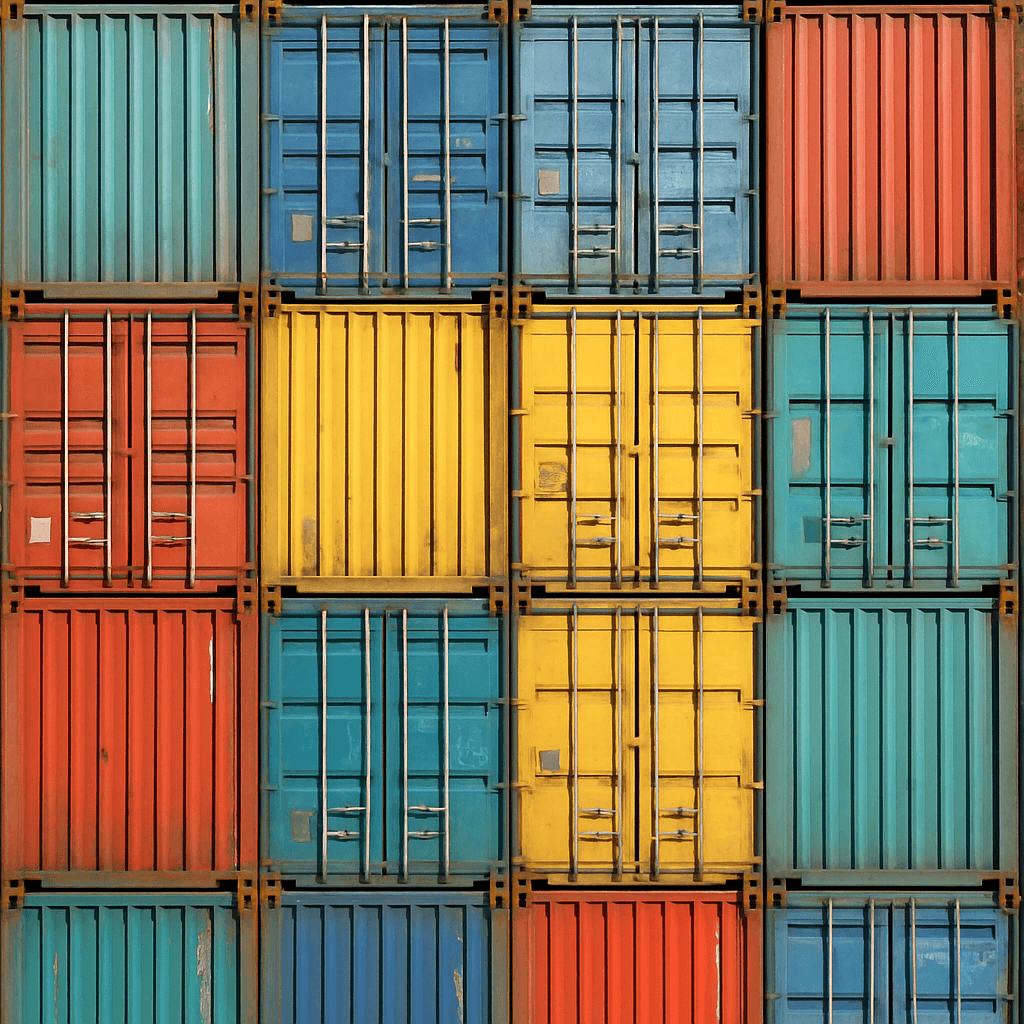
image of modern maritime containers New Color Palettes
One of the most striking trends for 2025 will be the use of bold and eclectic color palettes. Designers are opting for shades that are not only aesthetic but also blend seamlessly into the natural or urban environment. Expect to see maritime containers adorned with soft pastel colors, earthy tones, or even striking geometric patterns that add character to any structure.
The Impact of Colors on Perception
Colors play a crucial role in the perception of space. Maritime containers painted in lighter shades can create an impression of open and bright spaces, while darker shades add a touch of sophistication and intimacy. In 2025, designers will use these effects to create specific atmospheres, whether for residential spaces, offices, or commercial areas.
Eco-Friendly Materials and Sustainability
As the world continues to focus on sustainable practices, the use of eco-friendly materials in maritime container design is becoming increasingly important. In 2025, we will see a rise in the use of recycled and reclaimed materials, innovatively integrated to create structures that are both robust and environmentally friendly.
Innovations in Materials
Technological advances now allow for the use of materials such as bamboo, recycled wood, and even recycled plastics in the construction of maritime containers. These materials not only reduce the carbon footprint but also add unique texture and aesthetics to the designs.

image of eco-construction materials Multifunctional Spaces
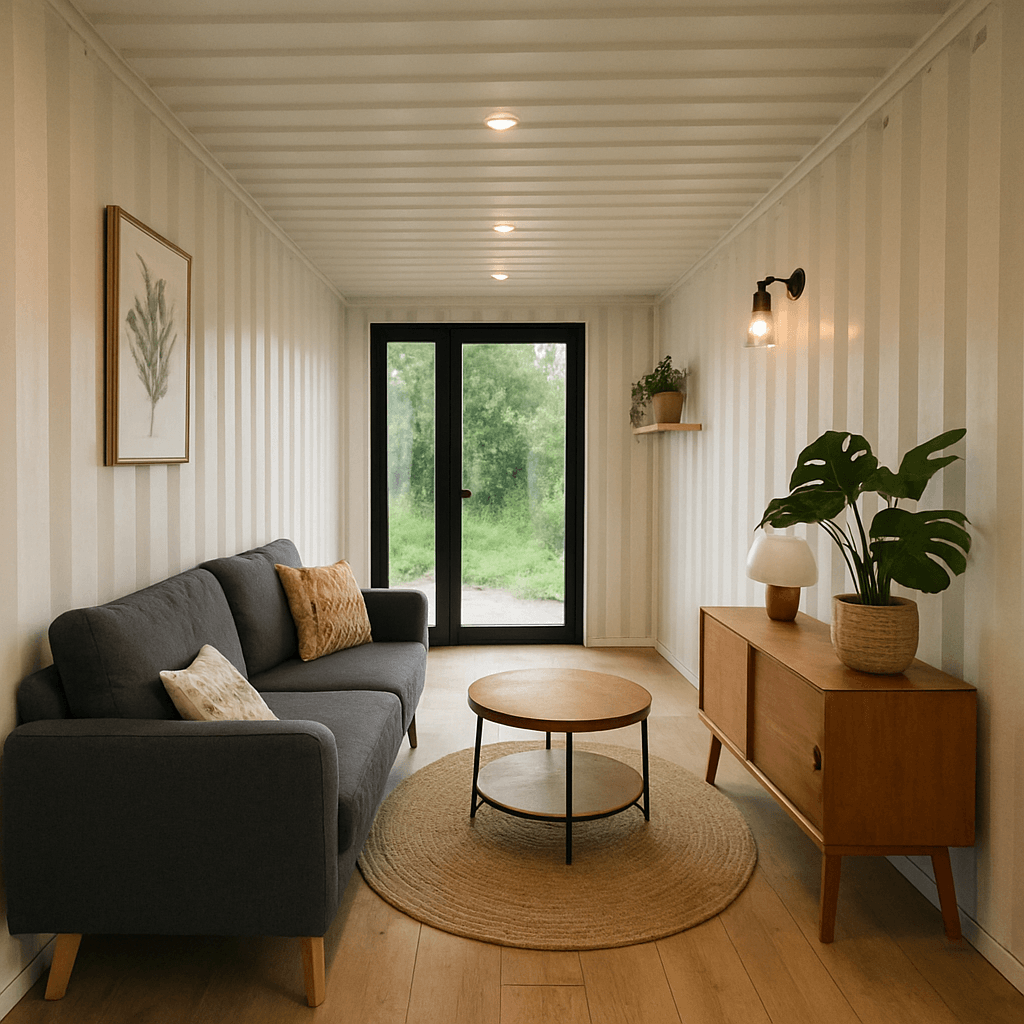
Another key trend for 2025 is the design of multifunctional spaces. Maritime containers are increasingly being used to create spaces that can be transformed based on needs. Whether for an office, a living space, or a shop, maritime containers offer unparalleled flexibility.
Modularity at the Service of Creativity
The modularity of maritime containers allows for designing spaces that can be easily reconfigured. In 2025, this flexibility will be exploited to create spaces that adapt to changing lifestyles and evolving user needs. For example, a container can serve as a workspace during the day and transform into a relaxation area or reception room in the evening.
Technological Innovations and Connectivity
Technology is playing an increasingly crucial role in maritime container design. In 2025, smart containers featuring advanced home automation systems will be in the spotlight. These technological innovations not only improve energy efficiency but also create more comfortable and connected living and working environments.
Integrated Systems for Modern Living
Maritime containers in 2025 will be equipped with integrated systems that control temperature, lighting, and security, all accessible via a mobile app. This technological integration will make maritime containers not only more practical but also more attractive to modern users. Noteworthy Architectural Achievements
Conclusion
The 2025 trends in maritime container design show an evolution towards more sustainable, technological, and aesthetic solutions. Whether through the use of eco-friendly materials, the creation of multifunctional spaces, or the integration of technology, maritime containers continue to revolutionize the world of design and architecture. As we move forward, it is clear that these structures will play a central role in future architectural innovations.